

Leave a Comment
World Mental Health Day: Hip Hop Culture Can Be a Catharsis in a World of Chaos – The Sacramento Observer

Sign up for our free newsletters to receive the latest news from The Observer directly in your inbox.
Join a community that has been informed and inspired for over 60 years. The Sacramento Observer is more than a newspaper; it’s a cornerstone of the community. Your support fuels our ability to deliver high-quality, trustworthy journalism, empowering you and the community.
Your contribution is appreciated. 
The Sacramento Observer
The African American Online Source for California's Capital City
Your contribution directly supports our newsroom.
By Chuck D, Dr. Olajide Williams, and Jimmie Briggs | New York Amsterdam News
This post was originally published on New York Amsterdam News
(WIB) – From DJ Kool Herc dropping the needle on a record at a party in the Bronx more than fifty years ago and then experimenting with mixing beats and scratching records, worldwide legions of rappers, dancers, street artists, and deejays constantly reinvent what is arguably the most American of inventions, hip-hop.
While even the most casual followers can identify the five elements of the culture: rapping, deejaying, graffiti art, breakdancing, and beatboxing — now on the occasion of World Mental Health Day, which falls on Oct. 10 — it’s time to recognize and amplify a sixth element focusing on health and healing at a time when the Black and Latino neighborhoods from which hip hop originated need it the most.
Non-Hispanic Black Americans have the highest incidence of stroke, heart disease, and hypertension compared to all other racial groups, and fall just behind Native Americans regarding adverse childhood experiences, which are strongly associated with adult chronic diseases and mental health disorders, including depression, anxiety, and substance use and abuse.
Black, Latino, and Native American communities sit at or near the top of the starkest health indicators. Currently, Black Americans experience fentanyl overdose more than 1.5 times the rate of other groups,
In the early ‘80s, Grandmaster Flash and the Furious Five’s rap standard, “The Message,” was co-written with Melle Mel as a response to the 1980 New York City transit strike. But it also speaks to anxiety while living in a marginalized community. Any true hip hop head knows the chorus:
Don’t push me ‘cause I’m close to the edge,
I’m tryin’ not to lose my head,
It’s like a jungle sometimes,
It makes me wonder how I keep from goin’ under.
More recently, in 2021, Logic’s “1-800-273-8255,” a song titled after the former phone number for the National Suicide Prevention Lifeline, was associated with a 27% increase in calls to the hotline in an interrupted time series analysis published in the British Medical Journal.
Amidst escalating assaults on medical research and the public health system by the current presidential administration, the opportunities for young people of color to access necessary mental health and well-being care are quickly diminishing. Project 2025, a policy blueprint disseminated by the Heritage Foundation in advance of last year’s election cycle, provided a roadmap for the White House and a single-party-controlled Congress to push cuts to Medicaid and bolster restrictions on reproductive healthcare access, substance use counseling and treatment, as well as mental health services.
But hip hop music, born from the harsh experiences of Black and Brown communities in the Bronx, has evolved into a powerful tool for promoting wellness and community empowerment, particularly for traditionally marginalized communities facing barriers to traditional mental healthcare.
In 2006, beatbox pioneer Doug E. Fresh and neurologist Dr. Olajide Williams began leveraging the elements of hip hop to address stroke symptom knowledge and the importance of calling 911. The “Stroke Ain’t No Joke” initiative led to the co-founding of Hip Hop Public Health (HHPH), an award-winning nonprofit that uses hip hop to build health literacy and inspire behavior change among youth.
Using a scientific research-based framework, the program leverages music and culture as responses to pathological conditions afflicting Black and Brown communities, such as stroke, heart disease, hypertension, cancer, dementia, overconsumption of sugar, oral health, and the socio-emotional well-being of children.
The organization’s health literacy goals are achieved through three youth-focused vehicles: multimedia content and curriculum development, a “Health MC (Master of Classroom)” ambassador program, and a “Moving the Needle” event experience where music, health, and storytelling are woven together to create a compelling educational mosaic.
Hip hop can increase physical activity through dance, reduce stress through expression and catharsis, foster social bonds and connections that reduce isolation, unite different cultures, and promote greater awareness of critical topics.
While unraveling the science behind these mechanisms is important, leveraging music’s emotionally therapeutic effects more intentionally within mental health systems of care may very well be a cost-effective, non-pharmacological approach for reducing anxiety and depression. A sonata does not need words to make one feel calm. A hip hop beat does not need an MC to excite us, and when that MC steps into the beat, the visual imagery created by his or her lyrics can transform a person’s inner landscape from despair to joy.
Rap is (still) the Black CNN, but now it needs to be our surgeon general and therapist for the artists who perform it and the listeners who consume it.
Chuck D, the legendary founding MC of Public Enemy is a Grammy Award winner and member of the Rock and Roll Hall of Fame.
Dr. Olajide Williams is a Professor of Neurology at Columbia University and co-founder of Hip Hop Public Health. Jimmie Briggs is an award-winning journalist and lecturer based in Baltimore, Maryland.
The post World Mental Health Day: Hip hop culture can be a catharsis in a world of chaos appeared first on New York Amsterdam News.
Help The Sacramento Observer continue its 60-year legacy of independent journalism. Your support ensures our mission of creating a more informed world.
Your contribution is appreciated.

Since its founding on November 22, 1962, The Sacramento Observer has been a central voice for the African American community in Sacramento, across California, and along the West Coast.
Learn More
PICK UP YOUR PRINT EDITION HERE
Sign up for our free newsletter to receive The Observer directly in your inbox every weekday.
Sign in by entering the code we sent to , or clicking the magic link in the email.
By signing up, you agree to our Terms and Conditions. This site is protected by reCAPTCHA and the Google Privacy Policy and Terms of Service apply.
Leave a Comment
Ag and Food Statistics: Charting the Essentials – Food Availability and Consumption | Economic Research Service – Economic Research Service (.gov)

An official website of the United States government
Here’s how you know
Official websites use .gov
A .gov website belongs to an official government organization in the United States.
Secure .gov websites use HTTPS
A lock ( ) or https:// means you’ve safely connected to the .gov website. Share sensitive information only on official, secure websites.
President Trump has made it clear he wants to keep the government open and support those who feed, fuel, and clothe the American people.
Access the Data
Access and analyze data sets, maps, charts and graphs.
Data by Type
Access the Data
Data by Topic
Explore the Data Repository
Understand the Research
Get insights and objective analysis from experts in the field.
Newsroom
See what's new and what's trending from ERS.
ERS’s Food Availability data measure annual supplies of several hundred raw and semi-processed food commodities moving through the U.S. marketing system, providing per capita estimates of the types and amounts of food available to U.S. consumers over time and identifying shifts in eating patterns and food demand. A second data series covering 1970 onward—the Loss-Adjusted Food Availability data—adjusts for losses from the farmgate to the fork, including damaged products, spoilage, plate waste, and other losses to more closely approximate per capita consumption.
Download chart image
Download chart image
Download chart image
Download chart image
Download chart image
Download chart image
Download chart image
Download chart image
Economic Research Service
Leave a Comment
CodeBlue’s View: Health Insurance Horrors Demolish Deceptive Fantasy Of Protection – CodeBlue
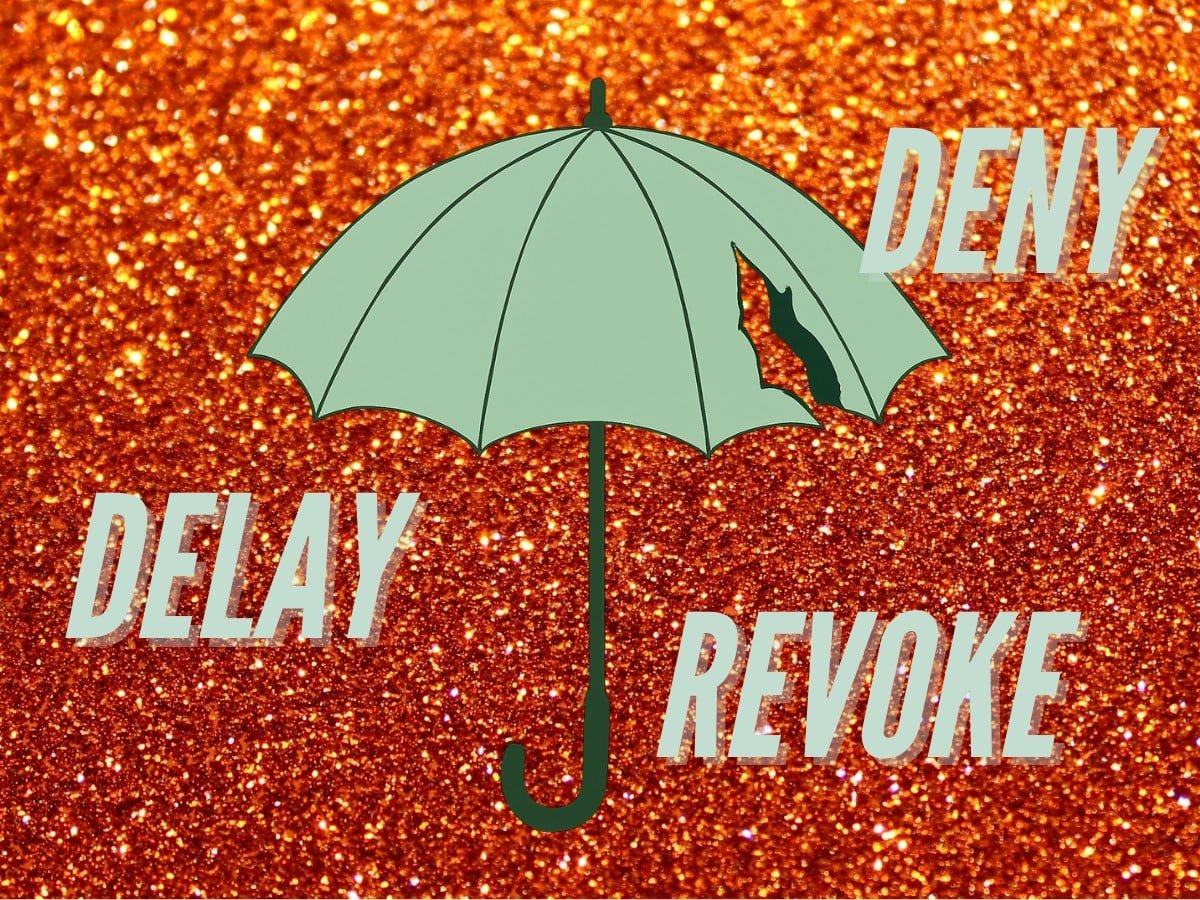

Amid widespread health insurance denials and delays of care, CodeBlue demands laws like Obamacare to prohibit ITOs from denying coverage or raising premiums due to pre-existing conditions. ITOs must also inform policyholders of blanket clinical mandates.
CodeBlue’s recent poll of more than 850 specialists in private hospitals nationwide revealed horrific health insurance practices in Malaysia that are beginning to mirror American-style health care.
Amid Malaysia’s lack of regulation over insurers and takaful operators (ITOs) and third-party administrators (TPAs), hundreds of specialist doctors across specialties provided detailed anecdotes illustrating “Deny, Delay, Revoke” insurance tactics and their consequences on patients.
“Deny” refers to outright refusals of care, including by invoking “pre-existing conditions” like chronic diseases that are unrelated to the illness one is admitted for. Insurance also denies coverage of various diagnostic tests, procedures, and drugs or therapies, as well as inpatient care by only insisting on daycare or outpatient treatment instead.
“Delay” is bureaucratic stalling by insurers that leads to postponed surgeries, admission, or critical interventions for medical emergencies.
“Revoke” refers to the retraction of guarantee letters (GL) after admission or completion of a procedure or treatment, forcing referrals to government hospitals or leaving patients stuck with private hospital bills and doctor fees unpaid.
Statistics from our specialists’ survey are stark: 99 per cent perceive insurer interference with their clinical decision-making, 99 per cent have patients who faced health insurance problems over the past year, and 73 per cent had patients who were forced to switch to public hospitals due to insurance denials or delays.
Testimonies from doctors paint a Kafkaesque nightmare of not just dealing with irrelevant questions and documentation requests from insurers before they can treat their patients, even during emergencies, but a direct impact on patients with increased morbidity and mortality. Insurance companies literally cause pain in many cases.
The sheer scale of insurance denials and delays across specialties demonstrates a systematic industry pattern of working against – not for – customers at a time when they need protection the most, the minute they step into a hospital.
Based on anecdotal evidence from CodeBlue’s poll, insurers deny coverage when you’re unhealthy, even when so-called “pre-existing conditions”, like diabetes, hypertension, or even overweight, are unrelated to the admission diagnosis (such as dengue or pneumonia) or are an incidental finding.
But insurers also revoke GLs or deny coverage when you recover after treatment or if you come in at an early stage of cancer.
ITOs deny drug claims for innovators and expensive biologics, but they also refuse to cover generics and cheap medicines classified as “non-medical” or “not indicated”.
Payers deny coverage of exams or tests that would aid clinical decision-making. But at the same time, they demand unnecessary investigations like a wrist MRI to diagnose carpal tunnel syndrome or a patient’s lipid profile and blood sugar levels for conditions such as a fracture or viral fever.
The insurance industry in Malaysia is under pressure, particularly due to a surge in claims post-Covid, leading to higher premiums. But as much as payers in health care say that they have the right to decide what to pay for (or not pay for), the money that they’re using for reimbursements comes from policyholders.
So who are insurance companies representing: shareholders or policyholders?
Although the use of exclusions like pre-existing conditions or interference with medical practice isn’t necessarily illegal, this doesn’t make it ethical.
A generic-only mandate doesn’t make sense either – not just due to the fact that some patients respond better to branded drugs or have allergies to generics – but because, again, policyholders are directly paying for their own care through premiums.
Why do insurers sell medical plans with RM1 million annual coverage if they refuse to cover innovative drugs, the latest surgical techniques that minimise recovery time, or even something as basic as general anaesthesia?
Middle-class Malaysians pay health insurance premiums faithfully for years, sometimes decades, with the legitimate expectation of receiving protection when they need it, as promised by insurance agents who sold them their medical plans.
But CodeBlue’s survey demolishes this deceptive fantasy of protection. If we end up in a government hospital at the end of the day due to insurance denials or delays, then what’s the point of buying health insurance?
Rather than blanket denials, ITOs should use their pools of policyholders to negotiate for better rates from health care providers. The discounts that insurers demand from hospitals should not come at the expense of patients, but should be used to improve benefits.
In light of the pervasive “Deny, Delay, Revoke” practices across Malaysia’s insurance industry, we express the strongest possible caution to the government and Bank Negara Malaysia (BNM) to avoid launching their basic medical and health insurance/takaful (MHIT) product without legal safeguards.
It would be the height of irresponsibility for the government and the central bank to advise Malaysians to part with their already meagre Employees’ Provident Fund (EPF) savings to buy a regular MHIT product – only for policyholders, especially those with underlying non-communicable diseases (NCDs), to find out later that they’re denied coverage upon admission.
If Putrajaya wants ordinary citizens to use their retirement savings to buy the voluntary MHIT product, then the government must mandate the underwriter to approve all GLs (just one GL, no “initial” or “final” GL) and reimburse all claims – without exception – unless actual fraud is discovered. No exclusions can be made based on pre-existing conditions.
If no ITO is willing to underwrite the basic MHIT product with such a mandate, then the government should abandon it.
CodeBlue calls for legislation to prohibit ITOs from denying coverage or charging higher premiums due to pre-existing conditions, similar to the United States’ Patient Protection and Affordable Care Act, commonly known as Obamacare.
We also demand transparency from insurers. Reports from our poll about insurance denials for patients, whose policies are less than two years old, suggest false advertising from agents who tell their customers that claims can be made from three or six months.
Pending the enactment of an Act to prohibit coverage denial or higher premiums due to pre-existing conditions, ITOs and TPAs must immediately issue notices to all policyholders or those insured to advise them to undergo regular health screenings (whether at their own cost or covered by their insurer) and to share the medical reports.
These reminders – which should be issued annually – must state clearly that premium repricing will likely occur should policyholders be diagnosed with any NCD from their screenings (and that premiums won’t go down even if policyholders later manage to get their condition under control), but that policyholders will face the risk of denials upon admission should they fail to disclose their “pre-existing condition”.
ITOs and TPAs must also issue notices to all policyholders or those insured upon making clinical decisions like blanket generic-only mandates or prioritising local over general anaesthesia, besides listing various procedures and surgeries that they will only cover as daycare instead of inpatient treatment.
Policyholders should not discover these things at the last minute during their crucial time of need in pain and anguish.
Policyholders can then decide early on if they want to switch insurance providers to one that will give them what they pay for or cancel their policies altogether, save money, and go to a public hospital when they need to.
Finally, CodeBlue urges the enactment of legislation to hold ITOs, TPAs, and institutional payers liable for medicolegal implications from the denial or delay of care.
If insurers believe that they’re merely denying coverage of “unnecessary” procedures or medications, or that their decisions are made in the best interest of the patient/policyholder, then they should have no problems bearing liability.
Editorials represent the views of CodeBlue as an institution, as determined through debate in the newsroom. CodeBlue’s Editorial Board comprises editor-in-chief Boo Su-Lyn, senior health writer Alifah Zainuddin, and sub-editor Chua Chern Toong.
No Woman Left Behind: NORA Brings Hope And Access To Cancer Care
Survey Reveals Possibly ‘Systemic’ Insurance Interference With Medical Practice: AMM
Leave a Comment
28 TikTok statistics marketers need to know in 2025 – Sprout Social
Core features
Streamline and scale your customer care and community management
Effortlessly plan, create, manage and deliver social content and campaigns
Drive strategic decision making across your entire business
Premium solutions
Prove your social media ROI with customized data and reports
Uncover trends and actionable insights from social conversations
Amplify your social reach by empowering employees to become brand advocates
Platform
Salesforce + Sprout
Gain a full 360-degree customer view with this global partnership.
By use case
Bolster your marketing efforts with intuitive, assistive tools
Sell more efficiently with product and customer information in one place
Distill large-scale data into actionable insights to inform your social strategy
Maximize the impact and reach of your social efforts to drive better results
Create positive brand experiences with quick, tailored responses
By service
Good connection: How Boingo Wireless seamlessly switched to Sprout Social
Learn
Explore social media tips, best practices and strategic guidance
Become an expert in the Sprout platform with specialized courses
Discover the tangible results customers received by partnering with Sprout
Connect
Connect and grow with other professionals in The Arboretum, Sprout’s online forum
Learn how to improve your social media efforts on demand
Meet Sprout in person at meetups, conferences and events around the world
Product resources
Keep up to date with new feature releases and improvements across the platform
Explore on-demand courses to help you get the most from Sprout
Get step-by-step product walkthroughs and feature breakdowns
Written by Brent Barnhart
Published on March 24, 2025
Reading time 8 minutes
Table of Contents
Share
TikTok’s growth is unlike any other platform, consistently breaking records when it comes to usage, engagement and ad performance.
While the app isn’t without its challenges, recent social media statistics highlight that TikTok is still a marketing powerhouse for brands of all shapes and sizes.
And the app’s momentum isn’t slowing down anytime soon.
In this post, we dig into key TikTok statistics that marketers should know and how you can use them to inform your TikTok strategy.
The popularity of TikTok is impossible to deny. From trend-setting challenges to record-setting growth, the platform’s influence on social media is unmatched.
Given how quickly the app evolves, having a TikTok tool to fine-tune your strategy is a smart first step to growing on the platform. That said, you need to take in and understand the following TikTok stats to understand just how big the app has become.
Now, let’s take a look at the latest data around TikTok’s platform and how its users behave.
TikTok has just over 1.58 billion monthly active users, making it the fifth most popular social media platform in the world. It trails behind Facebook (3.065 billion), YouTube (2.5 billion), WhatsApp (2 billion) and Instagram (2 billion).
The United States has the largest collection of TikTok users globally, with 135 million unique users monthly. However, TikTok’s sister app Douyin has 766.5 million monthly active users based in China, which is a slight increase from last year. This significant growth for TikTok and Douyin proves the apps’ popularity worldwide.
According to the 2025 Sprout Social Index™, 58% of consumers have profiles on TikTok, and 82% of Gen Z are mostly likely to have TikTok profiles. That said, the fact that over half of consumers are active on TikTok is telling.
While the app has a reputation of being for the younger crowd, these TikTok stats highlight how the platform’s appeal goes far beyond Gen Z.
It’s an understatement to say that TikTok’s growth is unprecedented. In fact, TikTok is forecasted to reach approximately 2.35 billion users by 2029.
We weren’t kidding when we said that content on TikTok moves fast. The platform’s 16,000 videos uploaded per minute translates to 960,000 per hour and 23+ million per day!
Who are TikTok’s users? Given the size and scope of the platform, there’s no one-size-fits-all answer.
That said, here are a few stats on TikTok’s social media demographics that can help clue us in.
TikTok is a well-used app. Its US users spent 4.8 billion minutes watching TikTok videos daily, surpassing Instagram, whose users spent 4.127 billion minutes daily.
When it comes to monthly usage, US TikTok users are spending over 24 hours—more than an entire day—on the app each month watching, interacting with and posting video content. This is up significantly from 19.6 hours of engagement per user back in 2021.
According to Sprout Social’s 2024 Social Media Content Strategy Report, 54% of users engage with brand content on TikTok at least once—if not multiple times—per day. TikTok users proactively seek out new products and product updates on the platform. Another 30% of users engage with brand content at least once per week.
This TikTok stat from the 2025 Sprout Social Index™ reflects just how trend-centric and community-driven the platform is.
From holidays and sporting events to major social movements and beyond, 90% of consumers say they use social mdia to keep up with trends and cultural moments. Marketers should keep a pulse on those cultural moments that matter to customers.
Doing so helps your brand present itself as in touch with its target audience and avoid potentially insensitive content or comments.
The fact that over three-fourths of US 18-24 year-olds are on TikTok is staggering, especially when compared to only 14% of 55 to 64 year-olds using the app. While TikTok demographics are becoming more diverse, the platform’s reputation as a “young” app is justified.
TikTok’s global users are seeing a widening gender gap, with 55.7% being men and 44.3% being women. This is a significant shift compared to last year where the split was closer to 50-50. Note that there is no data on users of other genders.
TikTok’s most popular countries are the United States with 135.79 million users, Indonesia with 107.7 million users and Brazil with 91.75 million users.
Brands are spoiled for choice when it comes to promotional possibilities. If your brand is going to have a presence on TikTok, you need to understand statistics around marketing and advertising on TikTok.
Surprisingly, only 28% of marketers are using TikTok. With such big opportunities for brands on TikTok, more marketers should add this platform into their social marketing strategies.
That said, the platform is unique in terms of its content and presentation. This may explain why some marketers are still slow to get on board despite TikTok’s popularity.
If you’re one of them, it’s not too late to learn how to get more TikTok views and start seeing results from the platform.
Bytedance, the parent company of TikTok, generated $73 billion in revenue in the first half of 2024. This was only slightly behind Meta’s $75.5 billion for the same time period, signaling the spending power of TikTok and how it stacks up against Facebook and Instagram.
TikTok’s ad revenue through initiatives such as TikTok Promote and TikTok Shop have been successful, with a projected $34.8 billion in projected ad revenue by 2026. If you’re looking for more information on
TikTok ads and advertising, check out our quick guide.
With an average engagement rate of 2.5% by follower count, TikTok is still the most engaging social media platform. Following not-so-closely behind is Instagram with an average engagement rate by follower count at just 0.50%.
TikTok is still the most engaging social platform but its engagement is consistent and only slightly down compared to last year. As it stands, TikTok’s average engagement rate by follower count fell by about 5.6% year-over-year (2.65% in 2023 versus 2.50% in 2024).
While both TikTok and Instagram’s engagement is down compared to last year, Instagram’s 28% engagement drop from 0.70% is much more significant.
Should your brand be on TikTok? How can TikTok affect brands? Using TikTok for business can have many advantages, but first, it is essential to understand how your target audience uses the platform.
While there are plenty of reasons to use TikTok, the app has earned its status as a shopping hub. According to data from Sprout’s 2024 Content Strategy Report, product discovery is the number one reason that TikTok users interact with brands on the platform.
While content moves quickly on TikTok, timing matters. Especially for brands and businesses.
According to Sprout Social’s research on the best times to post on TikTok, here are the key days and times to keep in mind:
With over 500,000 US sellers in 2024, needless to say TikTok Shop took off despite some initial skepticism. Between steep discounts and countless affiliates on the platform, brands and businesses are seeing results from the app when it comes to direct selling. Brands should consider social commerce as part of their strategy, if they haven’t already.
TikTok Shop isn’t a niche feature of the platform anymore. A recent survey from PartnerCentric notes that over one-third of users under 60 have bought something from TikTok Shop, averaging $59 per purchase.
This TikTok stat aligns directly with the one above!
According to the 2025 Sprout Social Index™, when consumers are ready to make a direct purchase, they are most likely to turn to Facebook, followed by TikTok and Instagram. Gen Z and Millennials are more likely to turn to TikTok at 54% and 47%, respectively.
Selling 370 million units worldwide on TikTok Shop last year, the popularity of beauty and personal care products on TikTok is well documented. This is especially true in both the brand and influencer spaces.
Again, influencer marketing is big on TikTok. If you’re considering working with influencers as a part of your TikTok strategy, keep these influencer marketing stats in mind.
According to data from Sprout Social Influencer Marketing (formerly Tagger), the average engagement rate per post for a TikTok influencer is 2.18%. Here’s a breakdown on what those posts cost depending on the size of the influencer’s audience:
According to data from Sprout Social Influencer Marketing, the lifestyle industry accounts for 8.26 million posts from influencers. This is followed by beauty accounts at 4.94 million and fashion accounts at 3.06 million.
According to data from Sprout Social Influencer Marketing, nano-influencers (1,000-10,000 followers) in the food and drink space see the highest engagement rates (18.36%), followed by fashion (14.98%) and fitness creators (14.61%).
Small follower counts, big engagement. That’s the trend we’re seeing with influencers on TikTok.
According to data from Sprout Social Influencer Marketing, nano-influencers see significantly higher engagement rates than macro-influencers (100,000-1M followers) across industries:
New stats on influencer pricing say that TikTok creators charge approximately $10 per 1000 followers for a sponsored post. This aligns with similar pricing on Instagram but is half of platforms like YouTube.
TikTok comes in as the third most popular social media app for influencer marketing, behind Instagram and YouTube, with 61% of marketers saying they use TikTok to work with influencers.
Hopefully these stats can provide the context you need to fine-tune your TikTok marketing strategy. Specifically:
If you need help building your TikTok strategy, Sprout Social can help! Try a free trial of Sprout Social’s intuitive platform, powered by AI for data-driven decision-making on social media.
If you want to check out your internal TikTok analytics and stats, go to your profile, tap on the hamburger menu then tap Business Suite or Creator Tools to access your profile’s analytics.
TikTok has generated 875 million downloads in 2024 alone from users worldwide. However, this can include redownloads if someone has deleted and redownloaded the app at a different time.
Gen Z uses TikTok the most, followed by Millennials, Gen X and Baby Boomers.
Brent Barnhart
Brent Barnhart is a professional writer and content critic. When he’s not battling the latest buzzwords, you can often find him strumming the nearest guitar. Feel free to bug him on Twitter or check out his website (brentwrites.com)
Read all articles by Brent Barnhart
Utilize Sprout’s Instagram integration to create, schedule, publish and engage with posts.
YouTube affiliate marketing: Turning content into conversions
Brand activism is back (again). Are marketers prepared?
15 YouTube tools to help you grow your audience faster
A marketer’s guide to Bluesky social analytics
Build and grow stronger relationships on social
Sprout Social helps you understand and reach your audience, engage your community and measure performance with the only all-in-one social media management platform built for connection.
Leave a Comment
Leave a Comment
Nigerian Army — page 110 – Legit News

Global site navigation
Local editions
x facebook
The Nigerian Army which was established in 1956, is the land warfare branch of the Nigerian Armed Forces, tasked with defending national sovereignty, maintaining territorial integrity, and supporting internal security.
Headquartered in Abuja, it evolved from the Royal West African Frontier Force. With thousands of active personnel, it operates under the Chief of Army Staff.
The Army engages in counter-terrorism against Boko Haram, banditry suppression, and peacekeeping missions across Africa.
It has faced criticism for human rights abuses, including excessive force, but has implemented reforms.
Key operations include Operation Hadin Kai and Operation Crocodile Smile. The Army also supports disaster response and civic duties.
Its motto, "Victory is from God alone," reflects its ethos. They have several training centres, and the Nigerian Defence Academy ensures readiness.
Late Lt. Samson Haruna’s marriage introduction video with his wife resurfaces online days after his alleged tragic death, sparking reactions and curiosity.
A video of late Lt. Samson Haruna being praised by his wife has gone viral days after his alleged death, showing her calling him her love and alpha male.
The Nigerian Army condemns Pastor Dachomo’s viral video alleging Fulani terrorist mobilization in Plateau, calling it propaganda and warning of severe consequences.
A female lawyer has taken to social media to mourn the demise of Lieutenant Samson Haruna and recounted her last conversation with him on September 5.
A neighbor of late army officer Lt. Samson Haruna broke his silence in an emotional Facebook post, speaking about the officer’s wife, his tragic death.
A neighbour who knew Lt. Haruna and wife for years shared what most people didn’t know about them. What he said about their families sparked reactions.
A woman has recalled the marriage advice she received from late Lt. Samson Haruna after complaining about her toxic marriage, expressing pain over his tragic death.
A friend of late Lt. Samson Haruna shared a viral, emotional Facebook post, revealing his wife, Retyit made him to attend the officer’s big wedding.
A Nigerian woman on Facebook has shared her take on the alleged killing of an army officer who was reportedly set ablaze by his wife in Akwa Ibom state.
Nigerian Army
Leave a Comment
Nursing Home Residents’ Poor Oral Health Drives Renewed Call for Medicare Coverage – Skilled Nursing News

Fragmented Medicaid coverage coupled with the lack of a dental benefit under traditional Medicare leads to poor oral health outcomes for older adults in nursing homes. Staffing shortages and rural access issues compound the problem.
This is the conclusion of an issue brief from Justice in Aging, a national organization focused on helping seniors from marginalized populations age with dignity and without financial worries. The organization has been advocating for a Medicare Part B oral health benefit since 2016.
Federal law requires nursing homes to evaluate dental health and provide access to care for residents, explains the brief. A new resident’s oral health should be evaluated upon intake and then on a quarterly basis. Facilities are also supposed to provide support with basic oral hygiene.
However, nursing home staff aren’t usually trained in dentistry and many providers lack the resources to provide training in more basic oral health, according to the brief. Staffing shortages also mean residents with limited mobility may not receive assistance with basic oral care, such as tooth brushing and flossing. Also, staff may not have time to assist in setting up dental appointments or providing transportation to appointments.
Many facilities lack a space to provide dental exams and treatment. In both rural and urban facilities, there is a shortage of dentists who will travel to the facility to provide care.
There is a strong correlation between oral health and other conditions, yet traditional Medicare lacks coverage for most dental services. The Centers for Medicare & Medicaid Services (CMS) has expanded coverage in recent years to include medically necessary dental services and dental services related to certain surgeries or conditions, such as oral cancer.
Low income older adults are also eligible for Medicaid, but under federal law, states aren’t required to provide dental coverage for adults. Eight states provide emergency coverage only, while 14 states provide limited coverage. While half of states provide more extensive adult dental benefits, there is variability in terms of what services are covered. This may change as states manage cuts to Medicaid funding implemented in the One Big Beautiful Bill Act, warns the brief.
Nursing home residents present with poorer oral health than older adults in the community, according to the issue brief, which detailed recent research that found 30% of senior nursing home residents, regardless of insurance, had untreated tooth decay compared to 18% of seniors in the community. Around 27% of seniors in nursing homes had lost all their teeth, compared to 11% of people in the community. Further, residents in rural areas were 13% more likely to have tooth decay. Residents in rural facilities were also 70% more likely to have multiple dental issues than their urban counterparts.
Additional disparities exist when broken down by race. Black residents were 16% more likely to have no natural teeth than white residents, while American Indian or Alaskan Native residents were 34% more likely than white residents.
Chronic conditions can make oral health worse or can be impacted by poor oral health, said the brief. Those residents who have three or more chronic conditions experience the worst oral health outcomes. Alzheimer’s patients are particularly at risk for decreased oral health.
Justice in Aging examined several initiatives that have shown promise in improving oral health for nursing home residents. Tele-denistry allows providers to connect with patients via video, which can lead to addressing problems sooner. Expanding the scope of practice for dental hygienists and allowing them to work with dental therapists and community health workers can also help with access in rural areas. California has such a program that has shown improvement in oral health access.
Another possible solution is the medical dental integration model, which promotes a one-stop-shop approach to health care. This is done by either having dentists and medical doctors in the same community health clinic or by training primary care doctors to provide basic preventative services.
These services currently aren’t possible without a Medicare Part B dentistry benefit providing coverage, said Justice in Aging. Two bills have been introduced to create such a benefit – H.R.2045 – Medicare Dental, Vision, and Hearing Benefit Act of 2025 and S.939 – Medicare Dental, Hearing, and Vision Expansion Act of 2025 – but the House bill died on the floor and the Senate bill is still in committee.
The organization calls for stakeholders to address the challenges beyond coverage to ameliorate the disparities in access and outcomes.
Justice in Aging
Skilled Nursing News is the leading source for news and information covering the skilled nursing industry. Skilled Nursing News is part of the Aging Media Network.
© Skilled Nursing News . All rights reserved.
By continuing to use the site, you agree to the use of cookies. More Information
The cookie settings on this website are set to “allow cookies” to give you the best browsing experience possible. If you continue to use this website without changing your cookie settings or you click “Accept” below then you are consenting to this. For more information, see our cookie policy.
Close
Leave a Comment
LOW LEVELS OF PFAS DETECTED IN PEPEʻEKEO WATER SYSTEM – Hawaii State Department of Health (.gov)

To request language or accessibility for HDOH programs or public meetings, please contact the HDOH Non-Discrimination Coordinator, at (808) 586-4400 or email: [email protected]. Please allow sufficient time for HDOH to meet accommodation requests.
如欲針對在 HDOH 計劃或公開會議中提出語言或無障礙便利方面的要求,請聯絡 HDOH 非歧視協調員,致電 (808) 586-4400 或發送電子郵件至: [email protected]。請為 HDOH 留出足夠的時間來滿足您的便利要求。
Ren eom kopwe tungor fosun fonu ika atotongeni ren HDOH programs kena ika mwichen aramas meinisin kena, kose mochen kori ewe HDOH Non-Discrimination Coordinator, non (808)586-4400 ika email: [email protected]. Kose mochen mut ngenitamenon fansoun ren an HDOH epwe tori anenian tungor kena.
No ke noi ‘ana i kōkua ma ka māhele ‘ōlelo a i ‘ole ka lawelawe kīnānā ‘ana no nā papa hana a ka HDOH a i ‘ole nā hālāwai no ka lehulehu, e kūkā me ka Luna Ho‘okae o ka HDOH ma ka helu (808) 586-4400 a i ‘ole e leka uila i ka [email protected]. E ‘ae aku i ka manawa lō‘ihi kūpono e ho‘oponopono ai ka HDOH i kāu noi.
Tapno agkiddaw ti lenggwahe wenno pannaka-access ti programa ti HDOH wenno pampubliko nga miting, pangaasim ta kontakem ti non-discrimination nga coordinator ti HDOH sadjay (808) 586-4400 wenno email: [email protected]. Pangaasim ta ipaayam tiHDOH ti undas a tiempo a mangasikaso dagiti kiddaw ti pagdagusan.
HDOHのプログラムまたはオープンな会議における言語やアクセシビリティのリクエストは、HDOH無差別コーディネーター(電話:(808) 586-4400、またはメール: [email protected])までご連絡ください。HDOHがご要望にお応えできるよう、十分な時間をお取りください。
HDOH 프로그램 또는 공개 회의에 대한 언어 지원 또는 장애인 편의를 요청하시려면 HDOH 차별금지 조정관에게 (808) 5864400으로 전화하거나 이메일( [email protected])로 연락해 주십시오. HDOH에서 요청된 편의 사항을 마련할 수 있도록 충분한 시간을 주시기 바랍니다.
如需申请针对 HDOH 计划或公开会议的语言或无障碍服务,请致电 (808) 586-4400,或发送电子邮件至: :[email protected] 联系 HDOH 非歧视协调员。请留出足够的时间,以便 HDOH 有充足的时间来满足便利安排请求。
Ñan kajjitõk am maron bõk melele ikijen kajin ak lale melele ko ñan burokraam ko an HDOH ak kwelok ko aoleb armij remaron etal ñane, jouj im kebaak Rikõlaajrak eo ej lale Ejellok Kalijeklok an HDOH, ilo (808) 586-4400 ñe ejab email: [email protected]. Jouj im lelok ien ñan an HDOH kõtõbrak kajjitõk ko ikijen mennin jibañ.
Ina ia talosagaina le gagana po o le mauaina o polokalama o le HDOH po o fonotaga lautele, faamolemole faafesootai le Taitai Faamaopoopo o le HDOH e Le FaailogaLanu, i le (808) 586-4400 po o le imeli: [email protected]. Faamolemole ia faʻaavanoa se taimi talafeagai mo le HDOH e faataunuʻu ai ia talosaga.
Si desea solicitar servicios lingüísticos o accesibilidad para los programas o reuniones públicas del HDOH, contáctese con la coordinadora de actos de no discriminación del HDOH al (808) 586-4400 o por correo electrónico: [email protected]. Le pedimos que nosconceda tiempo suficiente para que el HDOH pueda satisfacer sus solicitudes de ayuda.
Para humiling ng wika o pagiging magagamit para sa mga programa o mga pampublikong pagpupulong ng HDOH, pakikontak ang Koordinador ng Walang Diskriminasyon ng HDOH, sa (808)586-4400 o mag-email sa: [email protected]. Mangyaring bigyan ngsapat na oras ang HDOH para makatugon sa mga kahilingan sa akomodasyon.
Ke kole ʻa e lea fakafonua pe lava ʻo ngāue ʻaki ʻa e ngaahi polokalama HDOH pe ngaahi fakataha fakapuleʻangá, kātaki ʻo fetuʻutaki ki he Kōʻotineita ʻIkai-Filifilimānako ʻa e HDOH, ʻi he (808) 586-4400 pe ʻīmeili: [email protected]. Kātaki ʻo ʻoange ha taimi feʻunga maʻá e HDOH ke fakakakao ʻa e ngaahi kole ki he nofoʻangá.
หากต้องการขอภาษาอื่นเพิ่มเติมหรือการเข้าถึงโปรแกรม HDOH หรือการประชุมสาธารณะ โปรดติดต่อผู้ประสานงานด้านการไม่เลือกปฏิบัติของ HDOH ที่หมายเลข (808) 586-4400 หรืออีเมล: [email protected] โปรดให้เวลาอย่างเพียงพอเพื่อให้ทาง HDOH สามารถตอบสนองต่อคาขอที่พ ักได้
Để yêu cầu ngôn ngữ hoặc quyền tiếp cận các chương trình HDOH hoặc các cuộc họp công khai, vui lòng liên hệ với Điều phối viên Phụ trách về Không phân biệt Đối xử của HDOH theo số (808)586-4400 hoặc gửi email tới: [email protected]. Vui lòng choHDOH đủ thời gian để đáp ứng các yêu cầu về biện pháp trợ giúp đặc biệt.
Aron mohangyo og pinulongan o access para sa mga programa sa HDOH o publikong mga miting, palihog kontaka ang HDOH Non-Discrimination Coordinator, sa (808) 586-4400 o pag-email sa: [email protected]. Palihog paghatag og igong panahon aron maatiman sa HDOH ang hangyo para sa akomodasyon.
HONOLULU — Low levels of perfluoroalkyl and polyfluoroalkyl substances (PFAS) were detected in water samples collected at the Kulaʻimano Well A of the Pepeʻekeo water system, Public Water System HI0000106, owned by the Hawaiʻi County Department of Water Supply (DWS). Kulaʻimano Well A serves Pepeʻekeo area of the island of Hawaiʻi.
The detections of Perfluorooctane Sulfonic Acid (PFOS), which is one of the regulated PFAS, are below the U.S. Environmental Protection Agency’s (EPA) Maximum Contaminant Level (MCL) and are unlikely to pose a public health risk.
The detections of PFOS ranged from 2.6 to 3.0 nanograms per liter (ng/L), which are below the EPA MCL for PFOS of 4.0 ng/L. MCLs are the highest levels of contaminants that are allowed in drinking water by the EPA.
The detection of PFAS at the Kulaʻimano Well A was confirmed by samples collected on Aug. 18, 2025, and Sept. 23, 2025. The DWS formally notified the Hawaiʻi Department of Health (DOH) of the initial detection of PFAS via email on Oct. 8, 2025.
According to the EPA, PFAS, which have been used since the 1940s, are fluorinated organic chemicals that have been used extensively in consumer products such as carpets, clothing, fabrics for furniture, paper packaging for food and other materials (e.g., cookware) designed to be waterproof, stain-resistant or nonstick. They are also a component of fire-fighting foam and have many industrial uses.
For more information on PFAS, please see https://www.epa.gov/pfas or https://health.hawaii.gov/pfas. Users may also contact DWS.
This press release is issued in accordance with Hawaii Revised Statutes §340E-24(b), which requires notification of previously detected contaminants in underground sources of drinking water or any public water supply.
# # #